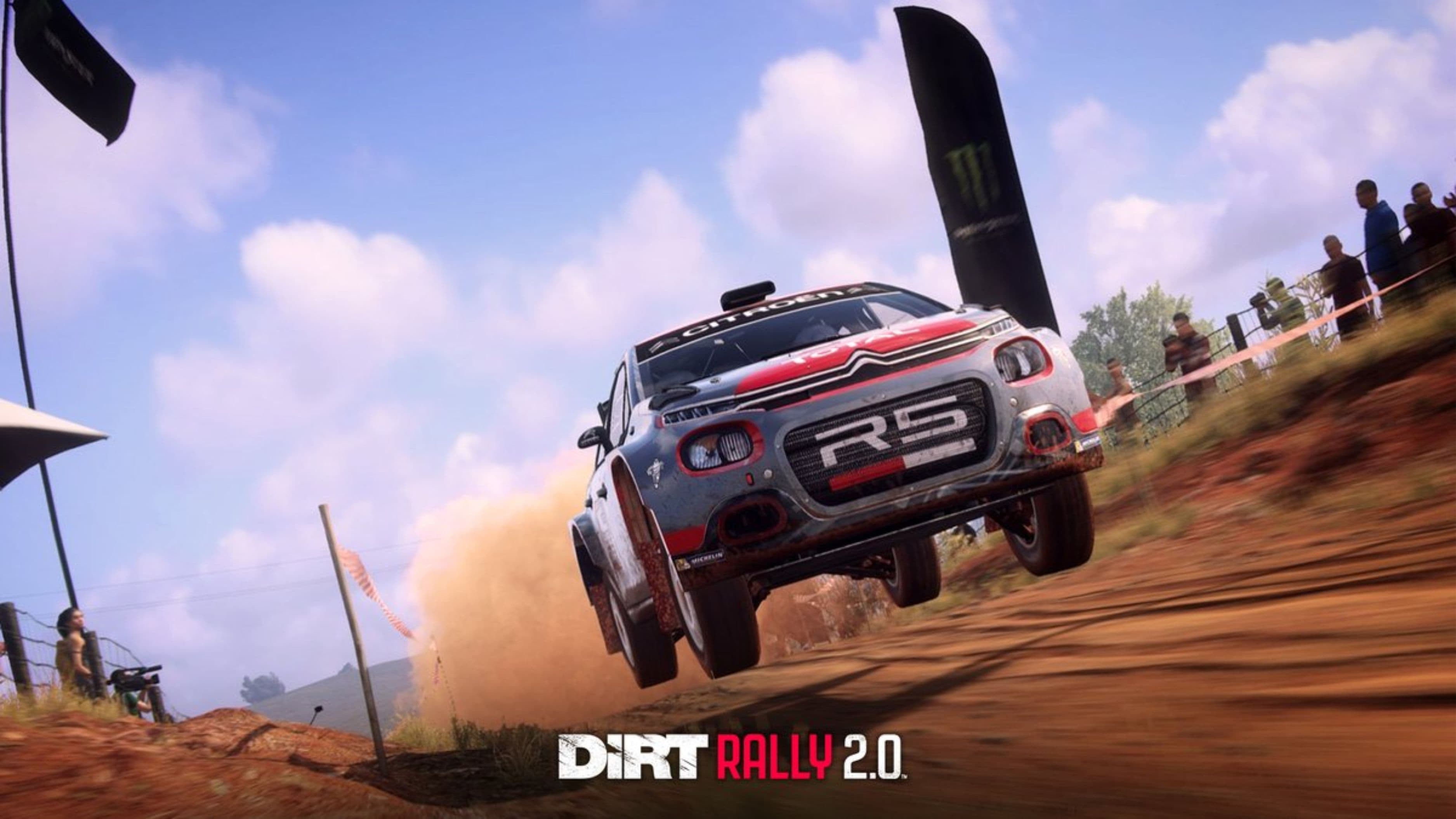

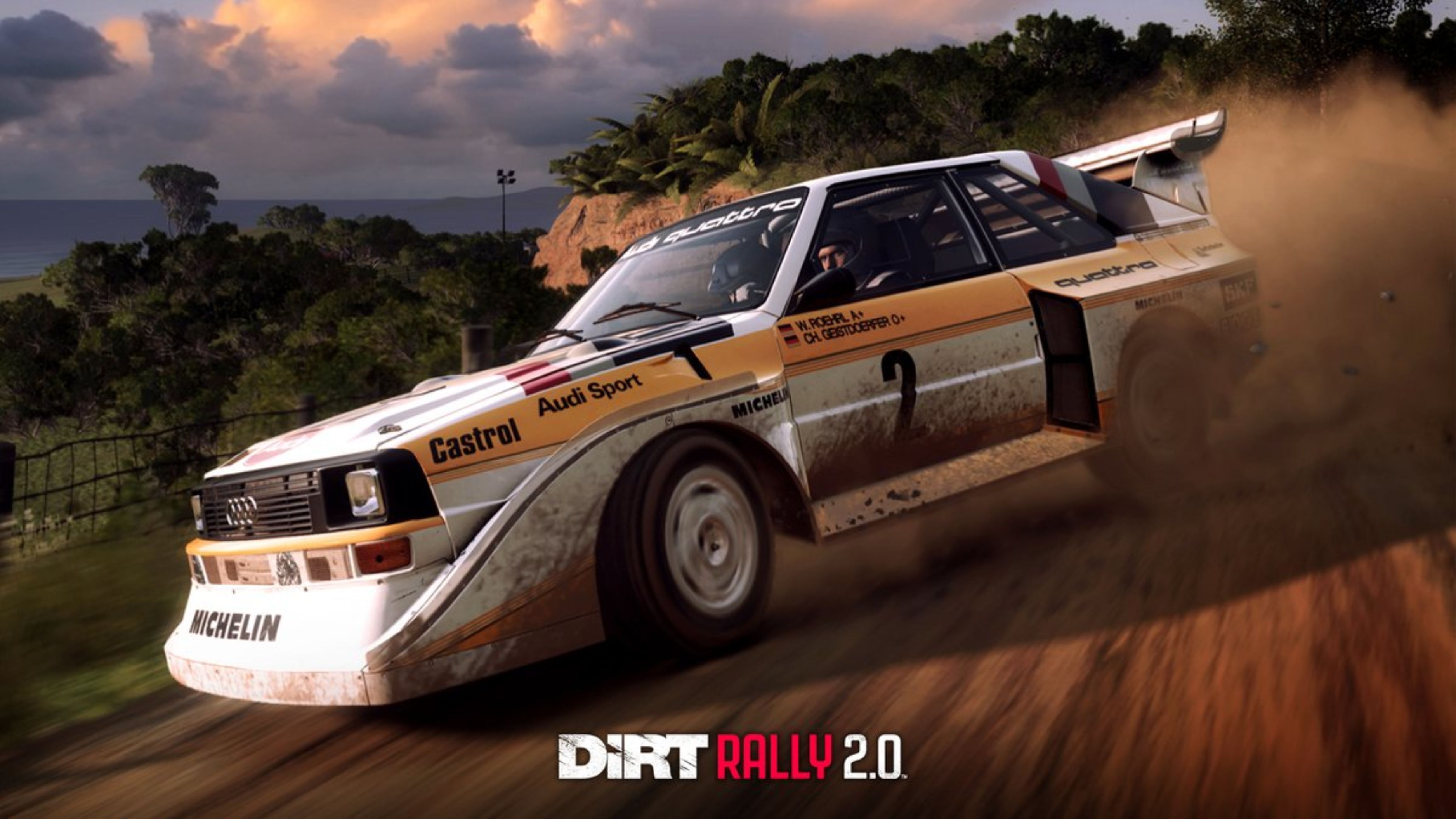
Released by Codemasters in 2015 after a successful Early Access period on PC, DiRT Rally made waves by deliberately stripping away the safety nets that had crept into mainstream racing titles. No rewind. No driving line. No forgiving physics that let you muscle through corners with brute speed. What you get instead is a game that mirrors the raw, pulse-pounding reality of stage rally — where every blind crest and slippery switchback demands your full attention. For casual players stepping in from Gran Turismo or Forza, the culture shock is real.
But here's the thing: surviving DiRT Rally is learnable. The game isn't unfair — it's demanding. Every crash has a reason, and once you start understanding those reasons, something shifts. The panic fades, the road opens up, and you start to feel the rhythm of it. Here are ten beginner tips that will help you get there faster.
1. Trust Your Co-Driver Completely
The co-driver's pace notes are not background noise — they are your roadmap through the unknown. When your co-driver calls "medium right, don't cut, into long left over crest," every single word in that sentence carries navigational weight. In real-world rally, drivers spend pre-event days on recce runs building these notes by hand; in DiRT Rally, that voice in your ear is the closest thing you have to seeing around corners.
The critical mental shift is acting on the call before the corner arrives, not while it's already filling your windshield. Beginners instinctively wait until they see the turn, then react — but at rally speeds, reacting puts you off the road. Train yourself to process the note, set your speed, and commit. It feels alien at first, like driving blind, but the moment it clicks, the stage transforms from a guessing game into something almost musical.
2. Brake Before the Corner, Not In It
Every other racing game has quietly taught you bad habits. In arcade racers and even most sim titles, late braking is rewarded — you dance on the pedal at the last possible moment and hustle through. In DiRT Rally, that technique will park you in the scenery inside three corners. The physics simulate genuine weight transfer, meaning your car continues moving forward even after the brakes are fully applied, especially on loose gravel or packed snow.
The fix is deceptively simple: get your hard braking done in a straight line, complete it before turn-in, and arrive at the corner already at the speed you want. Entering slow to exit fast is a phrase real rally drivers live by, and it applies here with full force. Once you break the late-braking habit, you'll feel the car settle into corners rather than skating helplessly wide, and that sensation — tires biting, chassis rotating cleanly — is worth the adjustment period entirely.
3. Pick the Right Starting Car
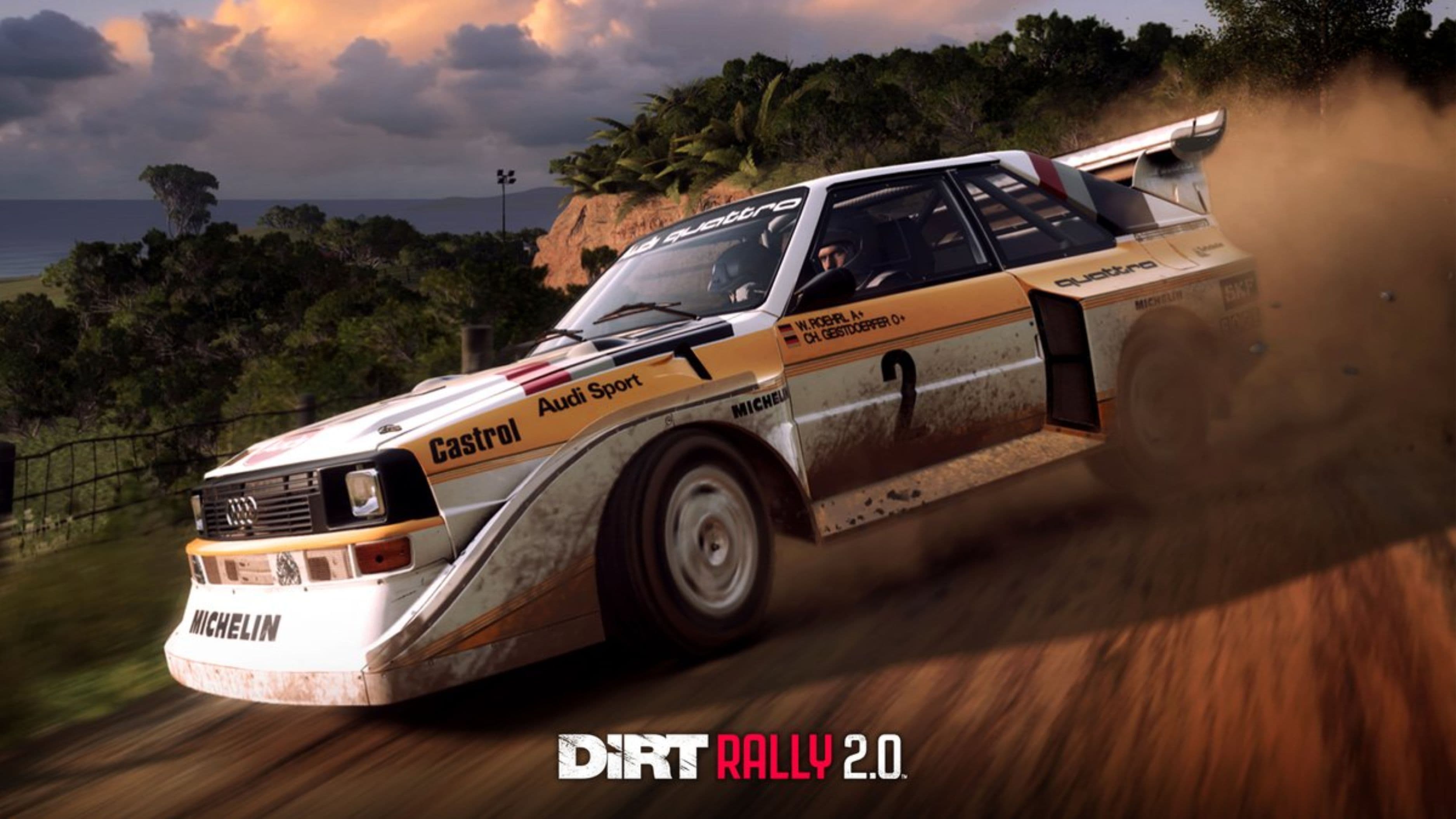
DiRT Rally doesn't hand-hold you through a tutorial garage, so the car you start with matters more than you'd think. Group B monsters like the Audi Quattro S1 or the Peugeot 205 T16 are spectacular to look at — and catastrophic to learn in. Their power and responsiveness punish any input imprecision, and as a beginner, you'll be making plenty of those. Start instead with something in the 2000s-era production class, where the cars are slower, more predictable, and far more forgiving of the mistakes you're guaranteed to make.
Think of it like learning to cook: you don't start with a Michelin-star timed challenge. You learn knife skills with something that doesn't explode if you look at it wrong. Build your spatial awareness, your braking references, and your feel for the surface with a manageable car. The Group B garage isn't going anywhere — and it's infinitely more enjoyable once you know what you're doing.
4. Read the Setup Screen Carefully
It's tempting to skip the car setup entirely and just drive. Resist that temptation. Understanding even the basics of setup — suspension stiffness, tyre compound, differential bias — gives you a meaningful edge and, more importantly, makes the car feel intentional rather than chaotic. Soft suspension soaks up rough gravel stages and keeps the tires in contact with the surface; stiff suspension suits the smooth, predictable tarmac of German stages.
Tyre choice is particularly critical and often the first place beginners quietly lose time. Running hard compound tires on a wet, mixed-surface mountain stage will leave you sliding through corners that should feel planted. The game gives you compound options and stage weather information for a reason — treat that pre-stage screen like a briefing, not an obstacle between you and the drive. Even one or two deliberate setup changes per event will deepen your understanding of how the car behaves and why.
5. Manage Your Service Park Wisely
Between stages, DiRT Rally drops you into a service park with a repair timer ticking down. Your mechanics can only do so much before the next stage begins, and if you arrive with shredded suspension, a cracked differential, and body damage from three separate tree encounters, you're going to carry some of that punishment forward. Damaged suspension makes cars wander unpredictably; a broken differential turns acceleration into a coin flip.
The strategic principle here is triage. Prioritize the components that most affect your ability to control the car — suspension geometry and brakes first, cosmetic damage last. More broadly, the service park system teaches a mindset that separates beginners from experienced players: you're driving an event, not a stage. Nursing a slightly wounded car to the finish line beats pushing a healthy one into retirement before the halfway point.
6. Master the Handbrake Flick
Tight hairpins — the kind your co-driver announces with weary authority as "hairpin left, very tight" — are where beginners either lose ten seconds with a painfully wide three-point-turn-adjacent exit, or launch themselves off a cliff by not slowing down enough. The handbrake is the tool that solves this problem, but only when used with precision. A sharp, brief pull rotates the rear of the car, snapping you around a corner that would otherwise require you to come to a near stop.
The mistake most beginners make is holding the handbrake too long, scrubbing all momentum and leaving the car pointing at a ditch. Practice the quick flick: stab the handbrake, release it immediately, let the rear swing around, and feed in the throttle as the nose points at the exit. It takes repetition to feel natural, but when it does, tight hairpin sections go from the most dreading part of a stage to secretly the most satisfying.
7. Watch Your Replays Like Film
After a crash or a disappointing stage time, the immediate urge is to restart and try harder. Slow down instead — DiRT Rally has a detailed replay camera system, and watching yourself overshoot corners from an external view reveals things you genuinely cannot perceive from inside the cockpit. You'll see exactly where your braking starts too late, where your entry line drifts wide, and where you're carrying 10 mph too much into a blind crest.
Real rally teams spend considerable time studying onboard footage before and after events, looking for tenths of seconds hidden in corner entries and exit lines. Even a five-minute replay review after a bad stage run can identify one or two recurring mistakes that, once fixed, shave seconds off your time without you driving any faster in raw terms. The stage becomes a problem you're solving methodically, not a gauntlet you're throwing yourself at repeatedly.
8. Respect Weather and Surface Changes
DiRT Rally models stage conditions with a specificity that demands attention. A stage that starts dry and firms can shift to slick and unpredictable by the final kilometer, especially on gravel where moisture transforms loose rock into something approaching ice. The tyre compound you select before a stage is a calculated bet on conditions that may evolve mid-run — and losing that bet means fighting the car through every corner rather than trusting it.
Beyond compound choice, surface type itself changes how you should drive. Gravel rewards a smoother, more patient style where you let the car slide gently in a controlled drift. Tarmac punishes that same looseness and rewards precision. Snow and ice demand a completely different relationship with momentum — gentle inputs, deliberate lines, and an acceptance that the car will move in ways that feel slightly disconnected from your hands. Adapting your style to the surface rather than forcing one approach onto everything is a fundamental leap in skill.
9. Smooth Inputs Beat Aggressive Ones
The single most counterproductive thing a beginner can do is drive hard. Not fast — hard. Yanking the wheel, stabbing the throttle, stamping on the brakes: these inputs introduce instability into a car that is already working hard to maintain balance on an uneven, unpredictable surface. Aggressive inputs might feel fast, but they generate overshoots, snap oversteer, and the kind of corrections that send you sliding sideways toward the stage furniture.
Smooth, progressive inputs — steering that flows rather than jerks, throttle that builds rather than spikes — allow the car's weight to shift naturally and predictably. This is the concept professional rally drivers call "working with the car," and it's what separates drivers who look effortless from those who look like they're wrestling a mechanical bull. The car wants to be driven smoothly. When you give it what it wants, you'll feel the entire experience calm and sharpen simultaneously, like a blurry image snapping into focus.
10. Let Crashes Teach You
Here is the part no one wants to hear but everyone needs to: you are going to retire from events. You will roll a perfectly good car on a crest in Sweden. You will misjudge a blind corner in Greece and sail off the mountain. You will watch a competitive rally time collapse into DNF on Stage 3, for the fourth time. This is not failure — this is the game's curriculum.
According to Codemasters, DiRT Rally was deliberately designed to push back against the "accessibility trend" in mainstream racing games, with the stated goal of delivering an experience authentic enough to resonate with real rally drivers. That design philosophy means difficulty isn't a bug — it's the entire point. Every retirement tells you something precise: where your limit was, how the car behaved at the edge, what the stage demanded that you weren't ready to give. Treat crashes as data, restarts as refinement, and the brutal stages of DiRT Rally will eventually — gloriously — start to feel like home.
📚 Sources
1. Codemasters. (2015). DiRT Rally Early Access — Developer Design Notes. Codemasters Official Blog. https://www.codemasters.com
2. Transient, A. (2016). "DiRT Rally Review: The Real Deal." Rock Paper Shotgun. https://www.rockpapershotgun.com
3. International Rally Commission. (2022). Pace Note Standards and Co-Driver Communication Protocols. FIA Technical Documentation Archive.